
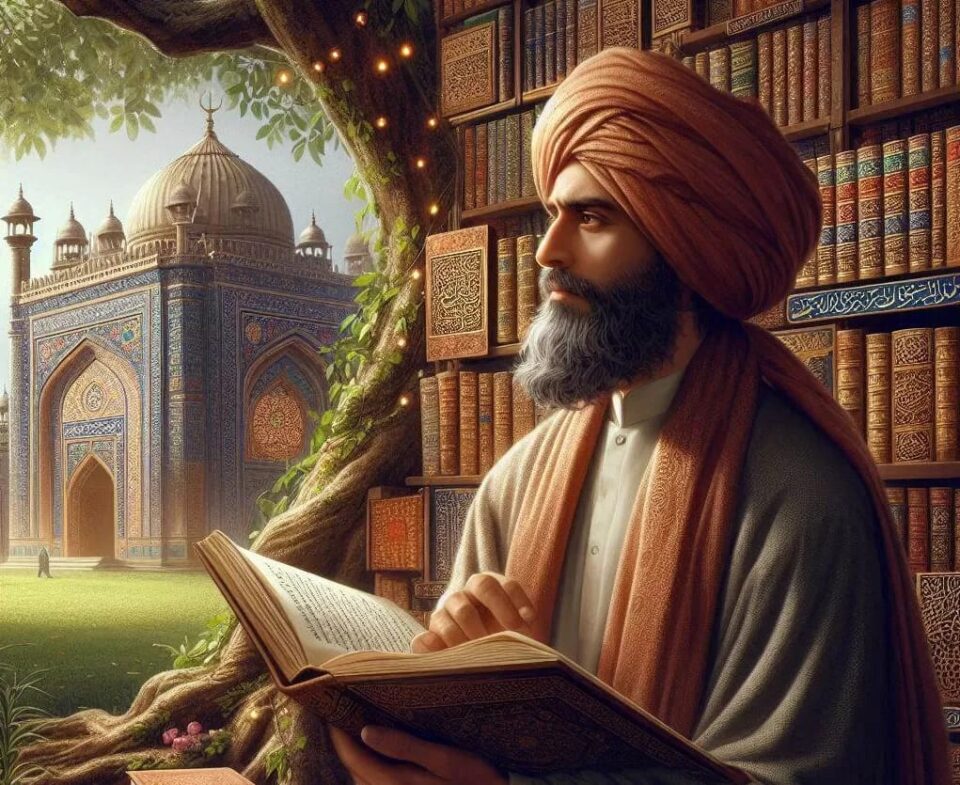
Islam recognizes freedom of thought and belief, as well as freedom of religion to determine accountability for one's choice. Freedom of thought and belief is but one element of complete and comprehensive human freedom, inseparable from other elements of freedom.
Freedom of belief is a great blessing of Islam on humans since its creation until it received various kinds of tests, such as a system of slavery, coercion and deprivation of other people's rights and freedoms, which in the history of mankind has ever occurred.
In Islamic history, the reality experienced by the Prophets in carrying out their missionary work was opposition and resistance from their people. Islam also agrees and acknowledges that Allah wills to provide guidance or guidance to all humans, these intentions and desires will certainly be carried out perfectly.
However, Allah has given all human beings the opportunity to bear the responsibility of freedom and for this purpose has prepared the means to distinguish between good and bad and to receive external and internal guidance.
For example, the rights given by Allah to humans are described in the Qur'an, surah al-Baqarah verse 260. When Ibrahim said: O my Lord, show me how You give life to the dead. Allah Says: Do you not believe yet? Ibrahim answered: I have believed, but so that my heart will be calmer (steadier).
If you look closely, most people say that such questions are only permissible in matters of thought and science, while others say they are not permissible in matters of religion or belief. Some even say that if a religious person asked such a question, they would be judged negatively and considered to be daring and heretical.
In fact, it cannot be denied that currently Muslims are being tested by people who want to cover up the truth of religion (Islam) as a source of faith. right (True). They portray Islam as a marginalized, excluded, and backward religion. As a result, some of these people's statements make Islam increasingly perceived as foreign and imperfect.
Muslims have the Koran as a guide in worldly life as well as a path to the afterlife. The verses contained in the Qur'an are devotional offerings to strengthen the faith and confidence of Muslims in particular and humanity universally.
The story of the Prophet Abraham, as told in the Quran, emphasizes human freedom to think and practice faith. Allah granted Abraham reason so that he could use his reason and thoughts to purify his heart and achieve the oneness of God. Instead, he could use his reason and thoughts to undermine faith and doubt God's truth.
Allah did not necessarily punish Prophet Ibrahin for his questions. The sky didn't even rumble. The earth did not shake and refused because of Ibrahim's request to Allah to strengthen his faith. On the contrary, Allah glorified him, elevating him to the status of Khalilullah (beloved of Allah). (Qs. An-Nisa, 4). Prophet Abraham remains eternally the most trustworthy Prophet and the Prophet who confirmed the Oneness of God. (Qs. Maryam, 41).
And the Prophet Ibrahin is classified as the founder of the straight Millah (religion) and is not considered a polytheist. (Qs. Imran, 95). In fact, Allah made the prophet Abraham a role model and an obedient person Hanif to Allah and he is not among those who associate partners with Allah (Qs. An Nahl, 120).
The story of how Prophet Ibrahim received guidance on the Path right (correctly) driven by confusion, hesitation, and doubt. This demonstrates maturity and freedom of thought. Thus, freedom of thought should bring people closer to God, not distance them from God.
Sarah further please read the book Maqal Fil Insan Quranic Recitation, written by Dr. 'Aisyah Abdurrahman Bintusy Syathti'. Translated by Achmad Masruch Nasucha and Ali Chasan Umar. Publisher: Thoha Putra Semarang, 1982.
And Allah knows best
