
It's undeniable that Islamic boarding schools (pesantren) are increasingly emerging as a unique model of Indonesian education. Over the past few decades, the desire to merge the pesantren system with the university system has gained traction. One example is Darussalam University (UNIDA) Gontor in Ponorogo. UNIDA is so named because it operates a pondok (boarding) system. This means that dormitory management at Islamic boarding schools is unique because dormitories are not just places to live; they are also places of education and even places for students to study. mujahadah.
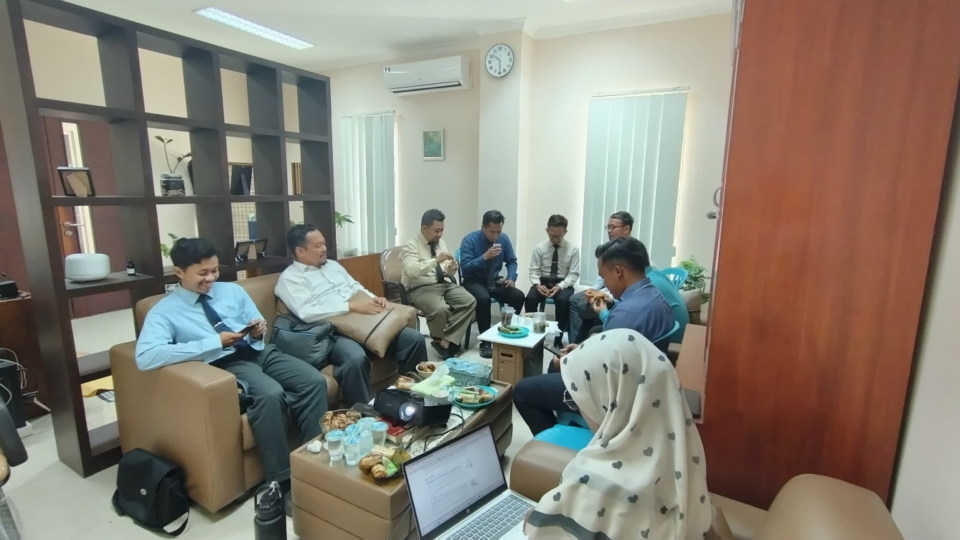
To that end, from August to November 2024, UNIDA dormitory managers received mentoring from a Partnership Team consisting of UNIDA lecturers focused on Islamic boarding school management. Various activities were carried out, including outreach, mentoring, evaluation, and improvement. This partnership program successfully mapped the dormitory's function within a pesantren university system. Here's a review:
First, hostel as a place to live. The dormitory is the lodging for UNIDA students. To be considered a suitable place to live, the dormitory must have two main requirements: facility And management system. Dormitories should have adequate facilities to be considered residences. Rooms, bathrooms, laundry and drying areas, kitchens, sports facilities, prayer rooms, sanitation systems, lighting, air circulation, and all other amenities are designed to ensure the health of their residents. Furthermore, various dormitory management systems, such as picket system, security system and facility maintenance system which is compiled based on deliberation And consensus carried out to ensure that the dormitory is a healthy, safe, comfortable, clean and orderly place to live.
Second, dormitory as a miniature of society. Besides being a place to live, dormitories also serve as a place for social interaction. Students from diverse regions, backgrounds, ethnicities, and languages live in dormitories. This means that dormitories become a meeting point for diverse social groups. Social interaction occurs within groups. heterogeneous. This requires each dormitory member to be able to understand diverse social characters; which will form a social attitude. flexible, Mutual understanding, tolerance, unity, mutual respect, mutual assistance, mutual support, and a sense of shared destiny. These are the social attitudes that students will bring with them upon their return to real society.
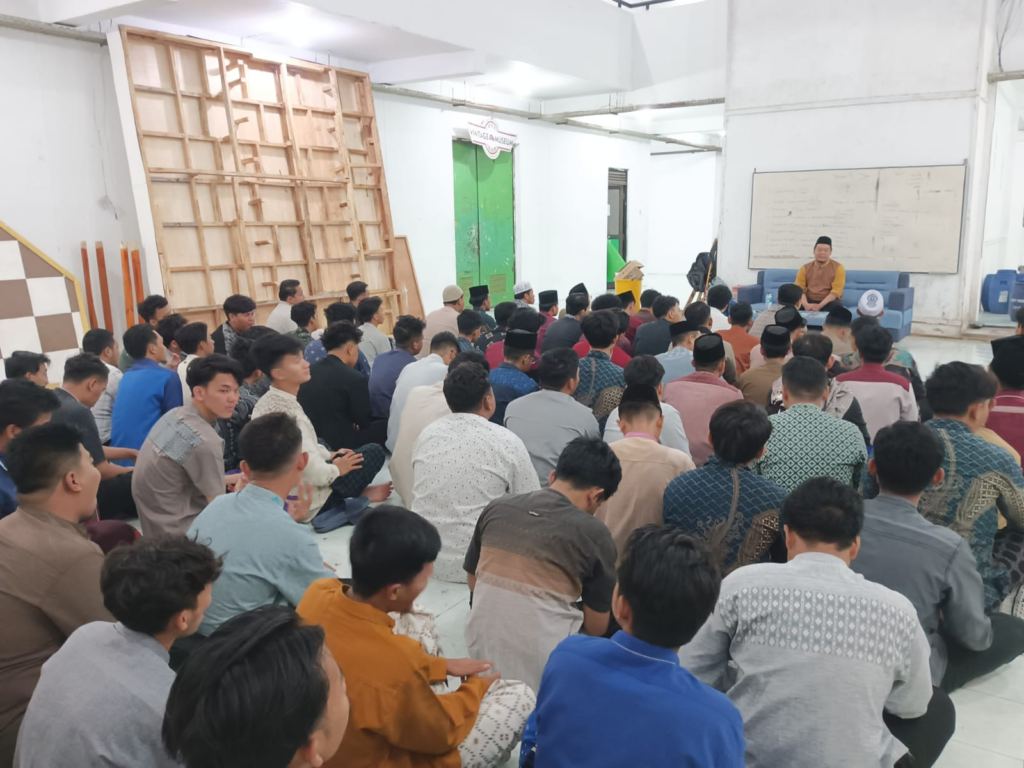
Third, dormitory as a place of education. The dormitory plays a crucial role in enhancing the education of UNIDA students, in addition to their academic pursuits. The education provided in the dormitory includes four types, namely: practice remembrance, exercise thinking, exercise and exercise feeling. Exercise dhikr is education spiritual. The dormitory and its environment are a place for students to develop their spirituality by carrying out religious services. mahdhoh such as prayer and fasting; as well as worship nafilah such as sunnah prayers, sunnah fasting, reading and memorizing the Koran and daily dhikr. Exercise think is education intellectual. The dormitory is a complement to the students' class lecture activities.
This is reflected in the existence of dormitory discussion activities, talaqqi book, reading books and writing. Sports are physical education. The dormitory is a place for physical education with various activities such as regular exercise and various sports competitions. Sports are education. qalbiyah. The dormitory is a facility for students to carry out educational activities. qalbiyah ywhich includes artistic activities, skills and sensitivity.
"The results of this partnership program are expected to provide input for dormitory managers and residents, in particular, and add to the scientific knowledge on the theme of Islamic boarding school management," said Khurun'in, one of the partnership members. Meanwhile, Akbar, one of the dormitory administrators, stated that the partnership program has greatly helped the managers understand the meaning of dormitory life within the framework of an Islamic boarding school university. “I hope that the partnership program will continue, especially in Islamic boarding school management.” He said.
This program is a partnership between the UNIDA Gontor PKM team and the UNIDA Gontor Islamic Boarding School Directorate. Funding was provided by UNIDA Gontor through the 2024 Internal Community Partnership Empowerment Grant scheme.

1 comment