
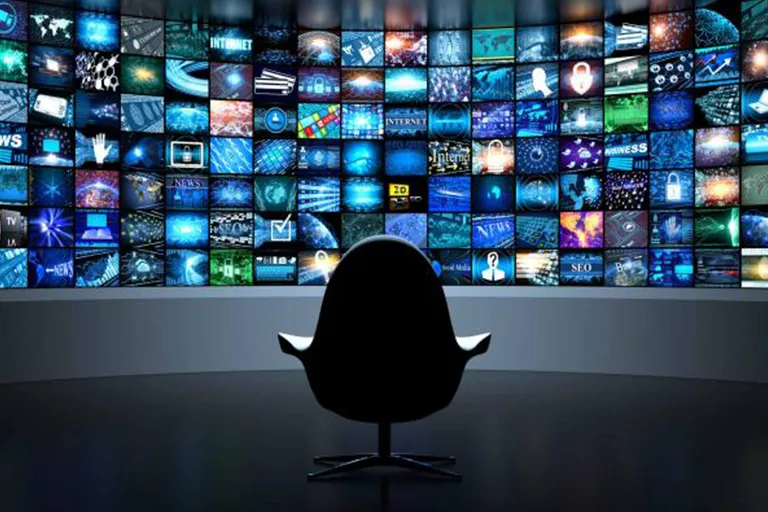
Materialism
Materialism is a view of life that seeks to base everything on material things alone, ignoring all things that are non-material, such as the soul, spirit, and love.
"Materialism is a dirty word among the young, who aspire to be idealistic in their thoughts and behavior. Materialism is what happens to you when you abandon your ideals and sell out. Never mind that the more money people make, the more likely they are to think of themselves as idealists."
Materialists hold a philosophy of life that does not respect religious views on life, freedom and human dignity because they measure everything based on material possessions, even respect for someone is based on the material wealth they possess.
This ideology has taken root among Indonesian youth and society, thanks to the secular media's presentation of soap operas, particularly Indian and Korean cinema, which has contributed to a materialistic culture. However, materialism essentially stems from hedonism, as both lifestyles are inextricably linked to the enjoyment of material possessions and physical pleasures.
These are the cultures that are the result of the globalization of the cultural industry, supported by media, which generally occurs from developed countries to developing countries like Indonesia. Global capitalism, which operates sophisticatedly through the dominance of global communication and information technology, has created a kind of segmented image of the world.
Isn't it also through the media that our way of life is being monitored, our way of life is being controlled, our way of life is being dictated and controlled by the subtle forces of global market logic (Hedonism, consumerism and materialism) through the seduction of advertising, through the charm of the pleasures of life offered by the entertainment industry, thus creating an intoxication with the charm of advertising and the shallow cultural industry.
FACTS ABOUT MEDIA USE
Media Usage
Today's trend is for people to prefer everything that's more practical. With increasingly advanced technological media, people are increasingly pampered in their daily activities, seeking entertainment and information. This information includes political, business, cultural, educational, and even religious understanding, specifically Islam.
One of the media that has a significant influence on changing and shaping people's mindsets, behaviors, and lifestyles is online media (the internet). For greater clarity, it would be helpful for the author to present data related to internet media globally and in Indonesia. Based on a survey on The Population Reference Bureau (PRB)
In August 2016, the world's population reached 7.4 billion45. Meanwhile, the world's internet users reached 50.1%, namely 3.6 billion46. Meanwhile, if we look at the population of Indonesia as compiled in We are social stated that the total population of Indonesia reached 259.1 million, while Indonesian internet users reached 88.1 million, which is directly proportional to social media users, which reached 79 million.
The penetration details are as follows: for the Java-Bali region it reached 52 million, Sumatra reached 18.6 million, Kalimantan 4.2 million, Sulawesi 7.3 million and Nusa Tenggara-Papua-Maluku reached 5.9 million internet users.
Data “Digital in 2016” released by We Are Social It also shows how long the average Indonesian spends using the internet each day and the most popular media platforms. Indonesians spend at least four hours a day using computers, three hours a day using mobile devices, at least two hours a day using social media, and at least two hours on television.
Mobile is a medium that is always present in the hands of Indonesians. However, to understand the priority of mobile usage, we need to know that 271 TP3T are only for texting and calling, 221 TP3T are used for watching videos, 191 TP3T are used for games, 201 TP3T are used for banking, and 221 TP3T are used for maps.
This means that Indonesian people are still not productive in using mobile. So this requires awareness to increase the productivity of media use, be it social media (BBM, Facebook, etc.), online media (internet), electronic media (television and mobile).
Photo source: Google.com
Continued to Part 4 (Four)

1 comment
It's fascinating how media has shaped our outlook on life, particularly regarding materialism. Do you think there's a way to change this mindset and promote non-material values in our society, which is increasingly influenced by advertising and consumer culture?