
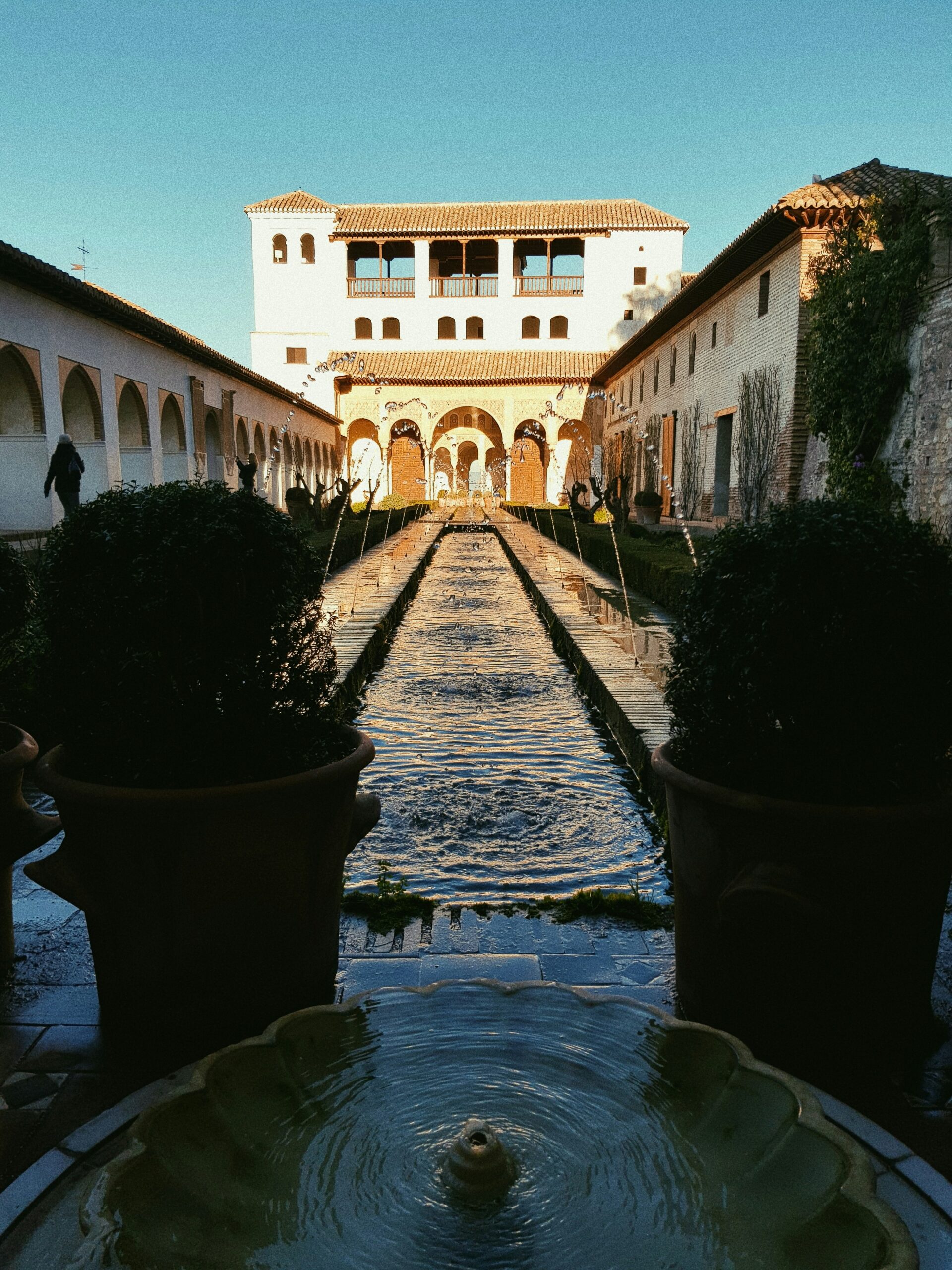
Politics in Islam encompasses various aspects regulated by the Quran and Hadith, two primary sources that serve as the legal basis and guide the lives of Muslims. In Islam, the concept of politics extends beyond the mechanisms of government to encompass the spiritual goals of the community as a whole. The Quran emphasizes the importance of justice, fair governance, and social responsibility as key principles in governing society.
The Hadith, as a collection of the sayings and actions of the Prophet Muhammad, also provide practical guidance on how an Islamic leader should act. For example, the Prophet Muhammad often spoke about the importance of shura (deliberation) in decision-making, which reflects the basic principles of democracy in an Islamic context. This shura demonstrates that leaders must listen to the opinions of those around them before making important decisions.
In early Islamic history, the role of the caliph was crucial as both a political and spiritual leader. After the death of the Prophet Muhammad, his companions, known as the Rightly Guided Caliphs, led the Muslim community based on the principles taught by the Prophet. The caliph was not only responsible for upholding God's law and ensuring the welfare of the community, but also for leading in times of war and peace. The position of the caliph continued to evolve, with varying emphasis on political and spiritual aspects, depending on the historical and social context of the time.
In short, the evolution of politics in Islam can be seen from the time of the Prophet Muhammad, through the era of the Rashidun Caliphate, to the Umayyad and Abbasid caliphates. Each period introduced new dynamics and presented different challenges to the implementation of governance in accordance with Islamic principles. Therefore, understanding Islamic politics requires not only a study of sacred texts but also a thorough examination of the history and social practices that developed over time.
Views of Muslim Scholars and Scholars
In the modern Islamic world, Muslim scholars and scholars have diverse views on politics. Some prominent figures who have come to the fore in this debate include Yusuf al-Qaradawi, Tariq Ramadan, and Syed Muhammad Naquib al-Attas. They offer differing perspectives on how Islam should be integrated into modern politics and how Sharia law should be applied in the contemporary context.
Yusuf al-Qaradawi, a renowned cleric, is known for a more pragmatic approach in combining Islamic principles with a modern political system. Al-Qaradawi believes that Sharia It must be applied flexibly and contextually, adapting to current conditions without losing its spiritual and moral essence. This view has received widespread support, but also criticism from more conservative circles who consider the approach too compromising.
A dissenting view is offered by Tariq Ramadan, a prominent Muslim intellectual, who emphasizes the importance of modernization in Islamic thought, including in the political sphere. Ramadan encourages dialogue between Islamic tradition and modern values such as human rights and democracy. He believes that Islamic politics should be able to actively engage in the global political order without sacrificing its Islamic identity. His views often serve as a bridge between conservative and liberal views in Islamic politics.
Next, Syed Muhammad Naquib al-Attas, a prominent Malaysian philosopher and Islamic scholar, offered a more philosophical perspective. Al-Attas emphasized that the application of Sharia law in politics must take into account spiritual and ethical aspects. He criticized the overly rigid, literalist approach to understanding sacred texts and encouraged a deeper, more contextual understanding.
This debate reflects the complexity of the relationship between Islam and politics in the modern world. A more conservative, literalistic approach might tend to view Islamic texts as non-negotiable rules, while a contextual approach offers flexibility for adaptation. Both perspectives have their place in Islamic political discourse and continue to be a subject of dynamic debate among Muslim scholars and scholars.
Challenges and Hopes for the Future
Islamic politics currently faces various challenges on the global stage. One of the main issues is the clash with the concept of secularismMany Muslim-majority countries struggle to balance religious values with secular state principles, which are often considered contrary to Islamic teachings. Democracy is also a complex topic; although some countries have attempted to harmonize Islamic principles with democratic systems, there is still considerable debate about how these two concepts can coexist without compromising one another.
Human rights pose another significant challenge. Each country has a different interpretation of how these rights are implemented within the context of Islamic law. For example, issues such as gender equality, multiculturalism, religious freedom, and freedom of expression are often controversial and require a sensitive and balanced approach.
Contemporary discourse on radicalism and terrorism is often associated with Islamic politics, even though it is actually a deviation from the peaceful teachings of Islam. One major challenge is overcoming these negative stereotypes and demonstrating that Islamic politics is truly oriented towards justice and peace. The importance of education and interfaith and intercultural dialogue is key to addressing this misunderstanding.
One key hope for the future of Islamic politics is the creation of a just and peaceful political system that respects diversity and upholds Islamic values. Continued efforts in legal and institutional reform, as well as the promotion of interfaith dialogue, can help create a conducive political environment for all. In the context of globalization and shifting dynamics of world politics, Islamic politics has the opportunity to develop and make a positive contribution with just and civilized universal values.
And Allah knows best
