
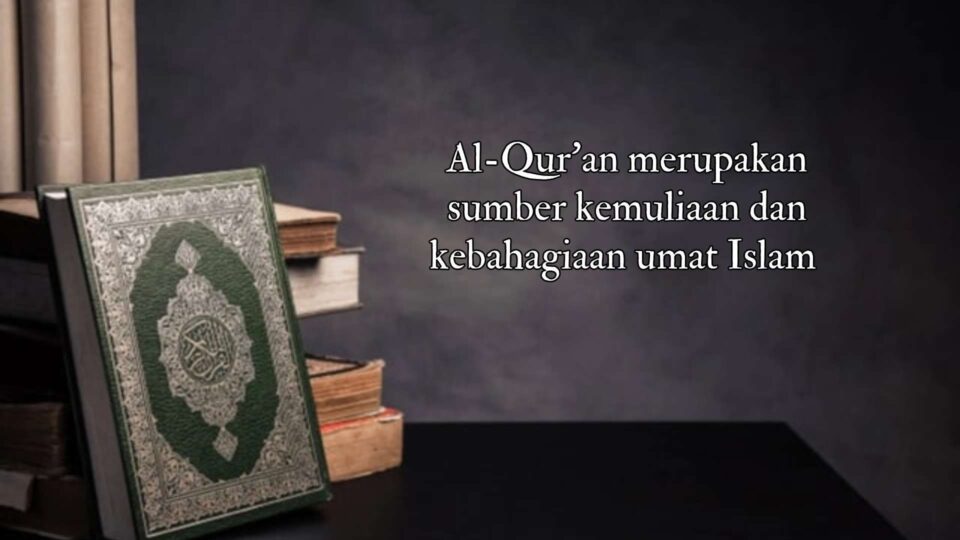
The Quran is a complete guide to human life. It addresses both physical and spiritual well-being holistically. From an Islamic perspective, happiness extends beyond the attainment of physical or material pleasures, encompassing inner and spiritual peace. The Quran emphasizes that true happiness is not achieved solely through fleeting worldly pleasures, but rather through a deep connection with Allah SWT and a recognition of His power.
Happiness according to the Quran includes gratitude, peace of mind, and spiritual fulfillment obtained through worship and obedience to Allah. For example, verses such as Surah Ar-Ra'd verse 28 emphasize that "Only by remembering Allah can the heart be at peace." This suggests that happiness in Islam is more centered on closeness to the Creator and achieving peace of mind through remembrance and prayer.
In contrast to the (secular) materialistic view that holds wealth and power as the source of happiness, the Quran teaches that happiness comes from strong faith and piety. Muslims are encouraged to seek happiness through good deeds, such as giving alms, performing good deeds, and helping others. Numerous verses explain that "happiness" for believers results from continuous acts of kindness.
Be careful Worldly Traps
The Quran also warns against the pitfalls of worldly happiness, which is often deceptive and temporary. Instead, prioritizing the afterlife is considered the path to true and lasting happiness. The verses contained in this holy book provide comprehensive guidance on how to fulfill spiritual needs and achieve true happiness.
Verses of the Quran are often cited as a source of happiness for Muslims. Several verses explicitly promise happiness for those who follow Allah's guidance. One frequently quoted verse is Surah Az-Zumar: 61, which reads, "And Allah saves those who are pious because of their victory; they will not be touched by the punishment (hell) nor (nor) will they grieve." This verse gives hope of happiness in the afterlife as a reward for a Muslim's piety and good deeds.
The virtue of steadfastness and patience in facing trials is also emphasized in QS Al-Baqarah: 155-157: "And indeed We will give you trials, with a little fear, hunger, lack of wealth, life and fruit. And give good news to those who are patient, (namely) those who, when disaster strikes, they say 'Inna lillaahi wa innaa ilaihi raaji'uun' (Indeed, we belong to Allah and to Him we will return). They are the ones who receive perfect blessings and mercy from their Lord, and they are the ones who are guided." This verse promises happiness and blessings to those who are patient in facing difficulties.
Furthermore, QS An-Nahl: 97 teaches that anyone who does good deeds, whether male or female, and is in a state of faith, Allah will give them a good life in this world and great rewards in the hereafter. “Whoever does good deeds, whether male or female, while being a believer, We will surely give him a good life and We will surely give them their reward in proportion to the best of what they used to do.”
The emphasis on obedience to Allah as the key to happiness is expressed in QS Al-Imran: 139, "Do not act weak, and do not (also) be sad, even though you are the people of the highest (rank) if you are believers." This verse reminds Muslims that faith and obedience to Allah brings happiness and peace.
Regularly Reading the Qur'an
Happiness is a life goal desired by many. Many Muslims have found true happiness through studying and applying the teachings of the Quran in their daily lives. One example is when someone faces various difficulties in their household and daily life. By regularly reading and meditating on the verses of the Quran, they find peace of mind and happiness that were previously elusive. They feel the Quran provides precise guidance in facing every challenge in life, enabling them to remain positive and patient.
Other well-known figures, such as Yusuf Estes, have also shared extensively about their spiritual journeys, from a non-Muslim background to finding peace in Islam. Yusuf Estes emphasized how the Quran is the key to finding true happiness. He recounted how studying the Quran helped him find answers to the questions that had been bothering him.
These stories can be an inspiration for all of us, showing how the Koran has become an incomparable source of happiness and enlightenment. By understanding and applying the teachings of the Qur'an, true happiness and inner peace are not just dreams, but a reality that can be felt by every individual, for anyone who reads, practices and practices it.
Thus, happiness in Islam is defined as a holistic well-being that encompasses tranquility, gratitude, and a deep connection with Allah SWT. The Quran encourages Muslims to live by these principles, ensuring that the happiness achieved is not merely temporary but provides lasting peace.
And Allah knows best

1 comment